

Autonomous systems and robotics are advancing at an unprecedented pace, driven by breakthroughs in artificial intelligence and machine learning. From self-driving vehicles to intelligent drones and automated manufacturing systems, robotics is reshaping how industries operate and innovate.
One of the most exciting developments is the integration of AI into robotics. Modern robots can analyze their environments, learn from experience, and adapt to changing conditions. This ability allows them to perform complex tasks with greater precision and efficiency than traditional automated machines.
In logistics and manufacturing, autonomous robots are improving productivity by handling repetitive or physically demanding work. Warehouses now use AI-driven robots to manage inventory, optimize supply chains, and reduce delivery times. These advancements are transforming global commerce and creating new standards for efficiency.
Healthcare is another sector experiencing rapid innovation. Surgical robots powered by AI assist doctors with precision procedures, while autonomous monitoring systems help track patient health in real time. These technologies demonstrate how robotics can enhance human capabilities rather than replace them.
Despite these advancements, challenges remain. Ethical considerations, safety regulations, and technical limitations continue to shape the development of autonomous systems. Engineers must ensure that robots operate reliably in unpredictable environments while maintaining user trust.
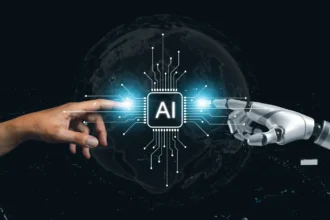
As robotics technology evolves, experts predict that autonomous systems will become increasingly common in everyday life. From smart homes to advanced transportation networks, the combination of AI and robotics represents a major step toward a more connected and automated future.



Playing here has been an absolute blast since I found this spot. The slot games are super smooth and the customer support team actually replies fast. I really appreciate how easy the deposit process feels on my phone. Just wanted to share the good vibes for anyone hunting a solid place to unwind. brwildbet777
Every time I step onto this site I know I am going to have a good session. The games load fast even on my phone and the customer chat is surprisingly helpful. It is nice to find a community where the staff treats regulars like family rather than just account numbers. Swing by vnvt443 and see what kind of fun you can make on a quiet evening.
I never thought a casino site could feel this welcoming and stress free. The team behind the scenes really cares about player satisfaction and the games just keep getting better. I have been logging in daily and enjoying every single session. bdbouncingball8