Building Connected Urban Environments
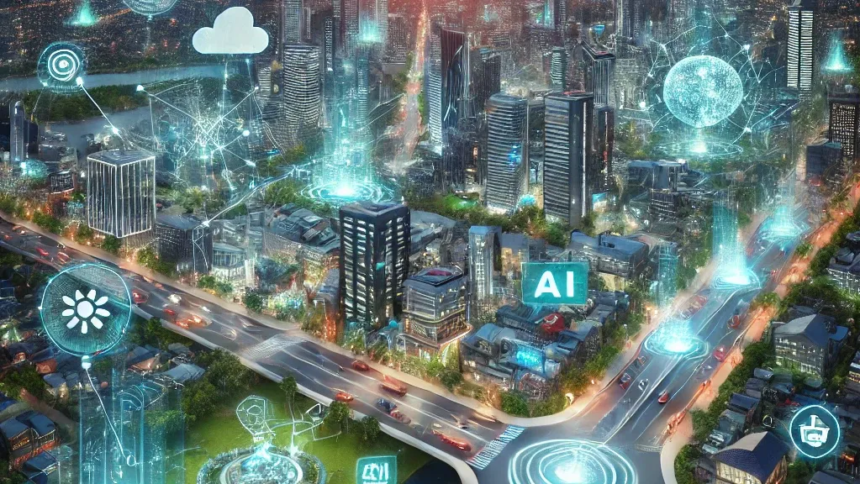
Artificial intelligence is playing a central role in the development of smart cities, where technology is used to improve transportation, energy efficiency, and public services. By analyzing real-time data from sensors and connected devices, AI systems help cities operate more efficiently and sustainably.
One of the most visible applications of AI in smart cities is traffic management. Intelligent algorithms analyze traffic patterns to reduce congestion, optimize public transportation routes, and improve road safety. These systems can adapt to changing conditions instantly, creating smoother travel experiences for residents.
Energy management is another area where AI is making a significant impact. Smart grids use machine learning to monitor electricity usage and predict demand, allowing cities to reduce waste and lower operational costs. This approach not only benefits local governments but also supports environmental sustainability goals.
Public safety initiatives are also benefiting from AI technology. Smart surveillance systems can identify unusual activity and alert authorities in real time. While these innovations offer enhanced security, they also raise important questions about privacy and ethical data usage. Experts emphasize the need for clear policies that balance technological advancement with individual rights.
As urban populations continue to grow, the integration of AI into city infrastructure is expected to accelerate. By combining data analytics, automation, and intelligent decision-making, smart cities represent a vision of the future where technology enhances quality of life while promoting sustainable development.