What Experts Say About the Future of Innovation
Artificial Intelligence has reached a stage where machines can generate text, images, music, and even complex code, leading to an ongoing debate: can AI truly replace human creativity? In 2026, experts across the technology and creative industries agree on one key point — AI is transforming how creativity works, but it is not eliminating the human role.
AI systems are designed to analyze patterns from vast amounts of data. When an AI tool creates an image or writes an article, it is essentially combining learned patterns rather than experiencing imagination in the way humans do. This distinction is important because creativity often involves emotional depth, cultural understanding, and unique personal perspectives that algorithms cannot fully replicate.
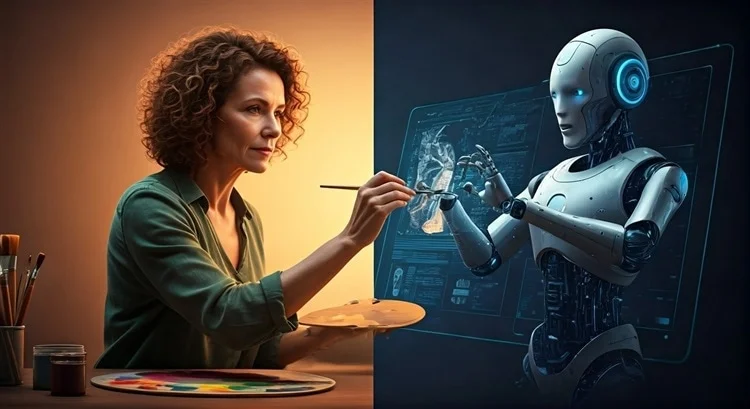
Many businesses now use AI as a collaborative partner rather than a replacement for creative professionals. Designers use AI tools to generate concept ideas quickly, writers use automation for research assistance, and developers rely on AI suggestions to improve coding efficiency. This collaboration speeds up workflows while allowing humans to refine the final output.
However, some concerns remain. Critics argue that heavy reliance on AI could lead to content that feels repetitive or lacks originality. Others worry about intellectual property issues, as AI systems learn from large datasets that may include copyrighted materials. These challenges are encouraging companies to develop ethical frameworks and clearer guidelines around AI-generated content.
Another important factor is audience perception. Many readers and users still value authentic human storytelling, especially in journalism and entertainment. Experts believe that the most successful creators will be those who combine human insight with AI efficiency — using technology to enhance ideas rather than replace them.
Looking ahead, creativity is expected to evolve into a hybrid model where humans focus on strategy, storytelling, and emotional depth, while AI handles repetitive tasks and technical execution. This partnership could unlock new levels of innovation across industries, from gaming and advertising to digital publishing.