Generative AI models have evolved rapidly over the past few years, transforming how content is created, analyzed, and distributed across digital platforms. In 2026, these systems are no longer limited to simple text generation — they can produce images, audio, code, and even interactive experiences.
One of the biggest changes is the improvement in contextual understanding. Modern generative AI models analyze conversations and datasets with greater accuracy, enabling more natural and meaningful interactions. Businesses are using these capabilities to automate customer service, enhance product design, and accelerate research processes.
The impact on the tech industry has been significant. Software developers now rely on AI coding assistants to reduce development time, while marketing teams use AI-generated visuals to improve campaign performance. This shift has allowed organizations to experiment with new creative strategies while maintaining efficiency.
However, the growth of generative AI has also sparked discussions about originality and content ownership. Experts emphasize the need for clear ethical guidelines to ensure AI-generated material respects intellectual property rights. Companies are investing in transparency tools that label AI-assisted content and promote responsible usage.
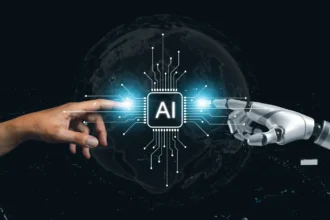
As generative AI continues to advance, the technology is expected to move toward real-time collaboration between humans and machines. This evolution could reshape industries ranging from digital publishing to entertainment, making AI one of the most influential technologies of the modern era.