How AI Is Reshaping Industries, Workflows, and Digital Innovation
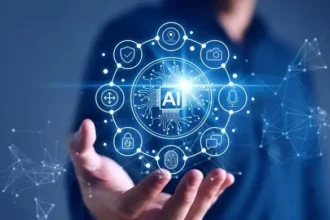
Artificial Intelligence has moved far beyond experimental technology and is now becoming the backbone of modern digital transformation. Across industries such as healthcare, finance, gaming, cybersecurity, and online publishing, AI is redefining how organizations operate, make decisions, and deliver services. As businesses shift toward automation and data-driven strategies, artificial intelligence is no longer optional — it is becoming a competitive necessity.
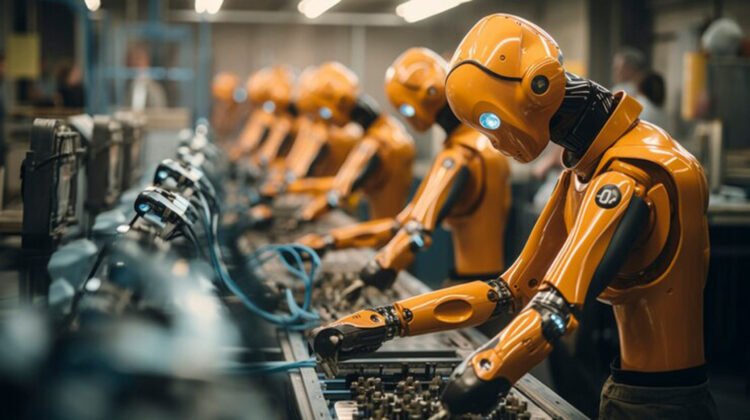
One of the most significant changes is the integration of AI into everyday workflows. Companies are increasingly relying on machine learning systems to automate repetitive tasks, analyze complex datasets, and improve operational efficiency. In digital publishing, AI tools assist with trend analysis, audience targeting, and content optimization, allowing publishers to focus on strategy rather than manual research.
Another major transformation is happening in customer experience. AI-powered recommendation systems are reshaping how users discover products, news, and entertainment. By analyzing behavior patterns, AI platforms can deliver personalized content feeds that improve engagement and retention. This shift is particularly important for online businesses seeking to maintain strong relationships with their audiences in a crowded digital marketplace.
AI is also driving innovation in creative industries. Designers and developers now collaborate with intelligent tools to generate prototypes, test ideas, and accelerate production cycles. While some fear that automation may replace human roles, industry experts argue that AI primarily enhances productivity rather than eliminating creativity. Human insight remains essential for storytelling, ethical decision-making, and long-term strategy.
However, rapid AI adoption brings new challenges. Questions about data privacy, algorithmic bias, and transparency are becoming central to discussions about responsible technology development. Governments and regulatory bodies are introducing guidelines to ensure that AI systems operate fairly and ethically. Businesses that prioritize transparency and accountability are likely to gain greater trust from users and partners.
Looking ahead, artificial intelligence is expected to evolve toward more collaborative systems capable of understanding context, emotion, and intent. The future of AI will likely involve a hybrid model where humans and machines work together seamlessly, unlocking new levels of innovation across industries.