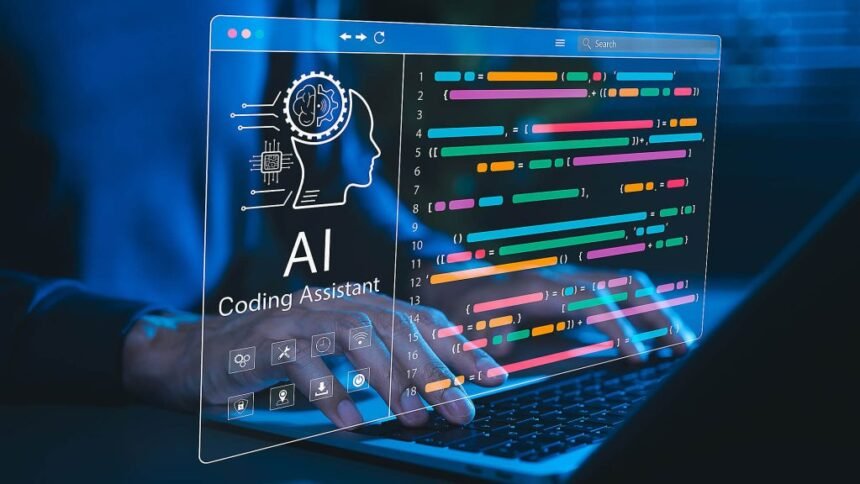
Software development is undergoing a major transformation as AI-powered coding assistants become more advanced and widely adopted. These tools help developers write code faster, detect errors, and optimize performance, reshaping how digital products are built.
One of the biggest advantages of AI coding assistants is efficiency. Developers can generate code suggestions, automate repetitive tasks, and troubleshoot issues in real time. This allows teams to focus more on problem-solving and innovation rather than manual debugging.
AI is also making software development more accessible to beginners. Low-code and no-code platforms powered by artificial intelligence enable users with limited technical knowledge to create functional applications. This democratization of development is opening new opportunities for entrepreneurs and small businesses.
Collaboration within development teams is improving as well. AI tools can analyze project structures, recommend best practices, and maintain consistent coding standards across large projects. By reducing errors and improving workflow organization, these systems help teams deliver high-quality software more efficiently.
However, experts caution against relying solely on automation. Human oversight remains essential to ensure security, maintain creativity, and prevent potential vulnerabilities. Developers must understand the logic behind AI-generated code rather than treating it as a fully autonomous solution.
As AI technology continues to evolve, coding assistants are expected to become even more sophisticated. The future of software development will likely involve a collaborative environment where human expertise and artificial intelligence work together to create innovative digital experiences.